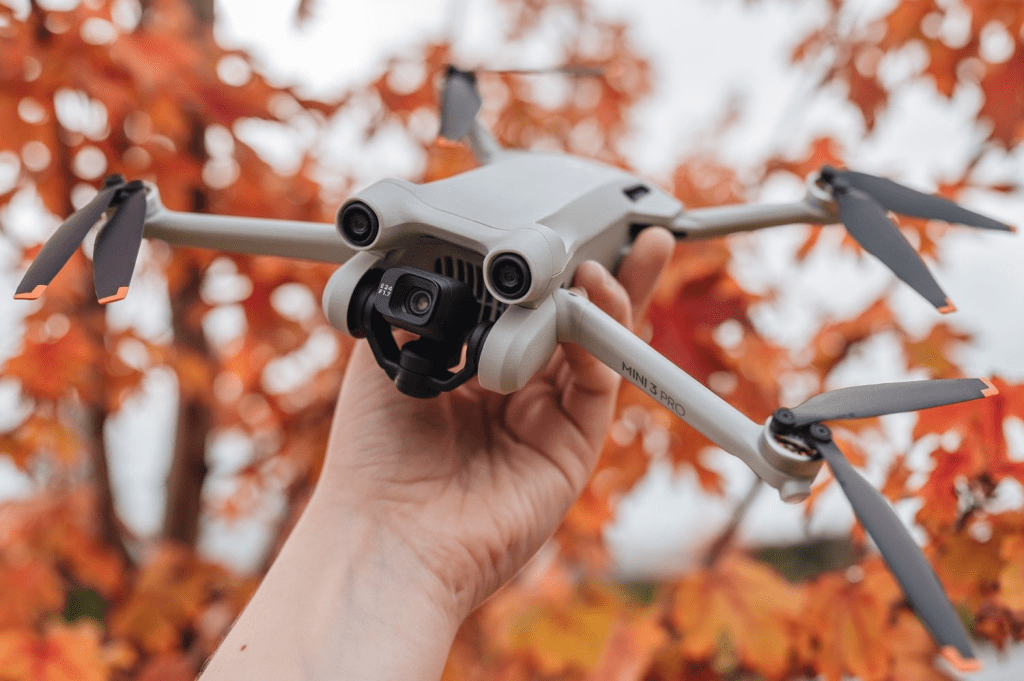
A drone is an unmanned aircraft. Drones are more formally known as unmanned aerial 4k camera drone with camera vehicles (UAVs) or unmanned aircraft systems. Essentially, a drone is a flying robot that can be remotely controlled or fly autonomously using software-controlled flight plans in its embedded systems, which work in conjunction with onboard sensors and a Global Positioning System (GPS).
UAVs were most often associated with the military. They were initially used for anti-aircraft target practice, intelligence gathering and, more controversially, as weapons platforms. For military purposes, drones can be sent on missions deemed too dangerous for human pilots in manned aircraft. Personally owned civilian drones, however, have a range of different professional and recreational uses, including the following:
Search and rescue.
Surveillance.
Traffic monitoring.
Weather monitoring.
Firefighting.
Personal use.
Drone-based photography.
Videography.
Agriculture.
Delivery services.
How do drones work?
Drones have two basic functions: flight mode and navigation.
To fly, drones must have a power source, such as a battery or fuel. They also commonly have rotors, propellers or wings and a frame. The frame of a drone is typically made of a lightweight, composite material to reduce weight and increase maneuverability.
Drones with propellers typically have four double-bladed propellers that stem off four arms connected to the frame. They generate lift using motors that rapidly spin the propellers. Drones that use wings, on the other hand, rely on the forward movement of the aircraft to push the wings through the air to generate lift.
Drones require a controller, which lets the operator use remote controls to launch, navigate and land the aircraft — all while the pilot remains on the ground. The controllers communicate with the drone using radio waves, such as Wi-Fi. Drones also commonly have a camera onboard, which streams what it’s seeing to the controller held by the pilot.
Some drones can fly on a set course automatically using a combination of obstacle avoidance sensors and GPS. A common implementation of this is the return to home function on some consumer drones.
 Site Title
Leave a comment